

Why Ingredient-Level Intelligence Is the Next Competitive Advantage in Beauty E-Commerce
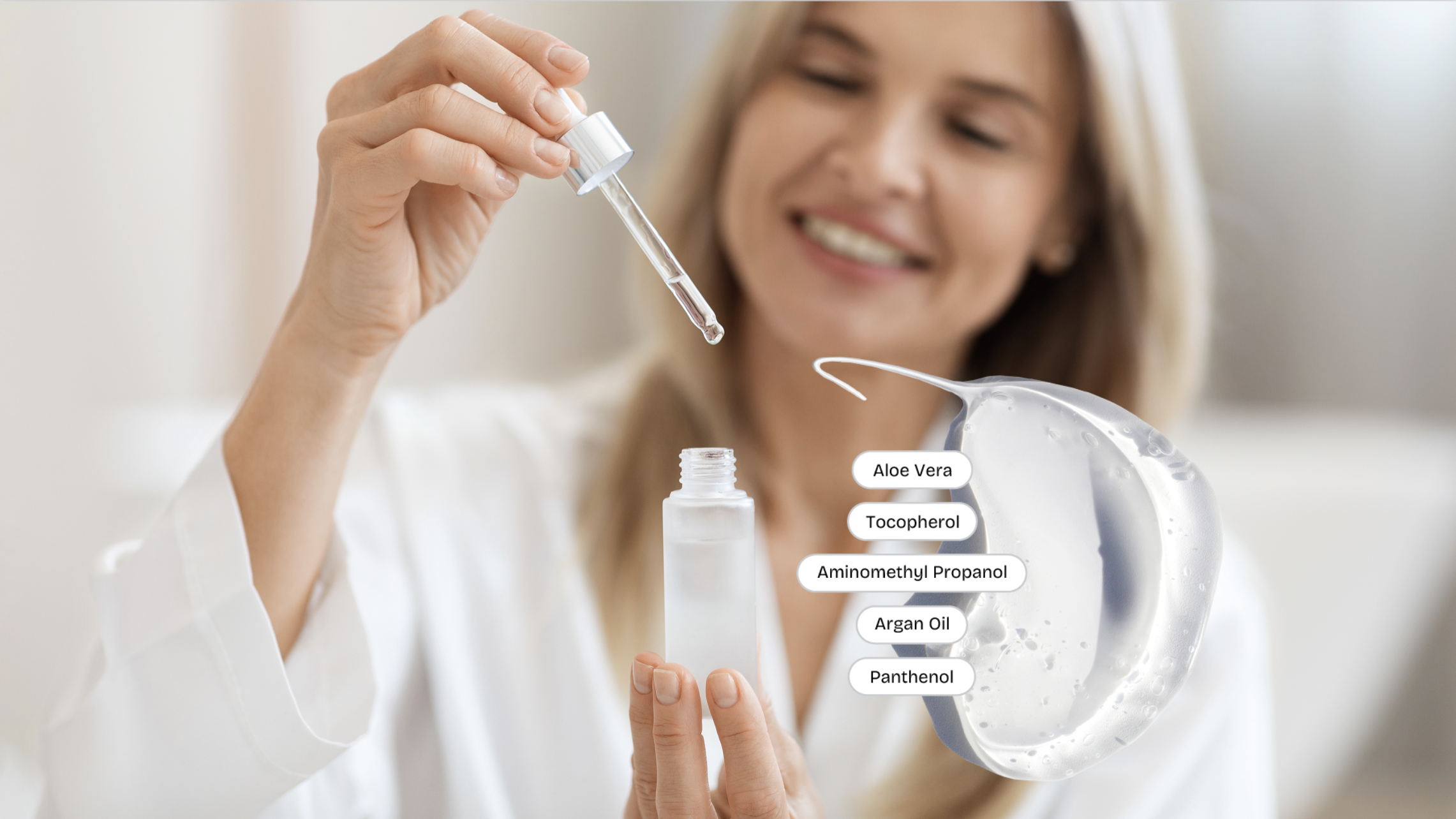
Ingredient-Level Intelligence by Inference Beauty
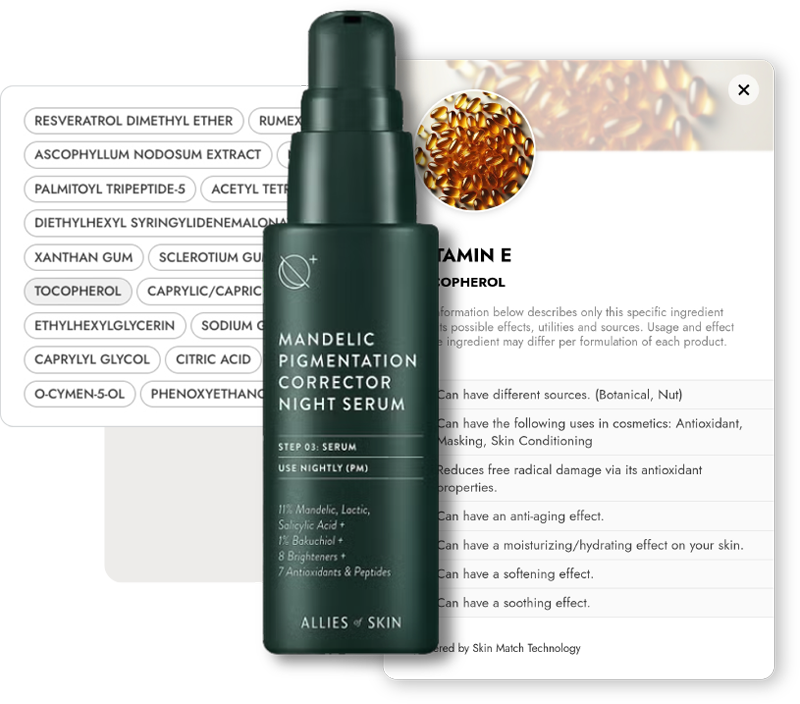
Ingredient Explainer powered by Inference Beauty
Ingredient-level intelligence is redefining beauty e-commerce—turning product data into AI-ready insights that drive discovery, trust, and conversion.
ZURICH, SWITZERLAND, March 30, 2026 /EINPresswire.com/ -- Beauty e-commerce is entering a new phase of competition. For years, growth was driven by media efficiency, search rankings, social proof, and optimized product pages. Today, a new layer is reshaping how consumers discover products: AI-driven discovery.
Consumers are no longer just browsing—they are asking. They ask AI tools for the best serum for redness, a fragrance similar to a favorite scent, or a foundation match for specific undertones. They expect retailer assistants to compare options, summarize reviews, and refine choices instantly. Increasingly, they ask for answers instead of links.
This shift is redefining visibility. Brands are no longer competing only for shelf space or SEO rankings. They are competing to be understood by machines. In beauty, one of the most powerful signals machines can interpret is ingredient-level intelligence.
The next competitive advantage will not come from storytelling alone. It will come from structured, transparent, machine-readable product data that clearly explains what a product contains, what it does, and who it is for.
Traditional search rewarded keywords and authority. AI-driven discovery rewards clarity and structure.
When a user asks for a moisturizer for barrier repair, AI systems prioritize concrete signals—ingredients like ceramides or glycerin, claims tied to sensitivity, and evidence of function. Vague marketing language is far less effective in this context.
Beauty is uniquely complex. Products can be described through ingredients, functions, finishes, undertones, or fragrance notes. AI performs best when these attributes are explicit and standardized.
This is why ingredient transparency is evolving. It is no longer just about compliance or consumer trust—it is becoming foundational to discoverability.
Beauty marketing has long translated products into aspiration. That remains important—but AI systems process information differently.
They respond better to structured, factual statements: ingredients and their functions, suitability for specific concerns, or clearly defined product attributes. Broad claims without substance are harder for machines to interpret.
This creates a challenge. If product data is buried, inconsistent, or disconnected from its benefits, it becomes difficult for AI to recommend. In effect, unstructured data leads to invisible products.
Consumers have already shifted toward ingredient-led decision-making. They search for actives, compare formulations, and evaluate products based on what is inside.AI accelerates this behavior. Instead of scanning multiple product pages, shoppers receive curated recommendations. The products most likely to appear are those that can be clearly classified and compared.Ingredient-level intelligence goes beyond listing ingredients. It means structuring data into usable signals—linking ingredients to benefits, concerns, compatibility, and preferences.
This distinction is critical. Data alone does not create visibility. Usable data does.
Some of the most influential beauty brands have already demonstrated this shift. They succeeded not by being louder, but by being clearer, making ingredients central to product identity and helping consumers understand how to evaluate products.
This clarity translates well into an AI-driven environment. Content that directly answers real questions is more likely to be surfaced, summarized, and trusted.
Importantly, this does not require brands to abandon creativity. It requires a structured layer of credible product intelligence beneath the creative narrative.
This shift is not only a brand challenge, it is a retail opportunity.
For multi-brand retailers, ingredient-level intelligence enhances the entire shopping journey. It improves search and filtering, powers recommendation engines, and supports more informative product detail pages. It also enables cross-brand discovery based on concerns, ingredients, and preferences rather than brand silos.
That is especially valuable in prestige and specialty retail, where growth often depends on effective curation across brands and categories.
A shopper may arrive for one product but expand their basket if the retailer can intelligently connect needs to relevant options. Achieving this requires a shared product language across the assortment, something ingredient intelligence helps establish.
This is where platforms such as Inference Beauty are becoming increasingly relevant to modern retail. Rather than asking retailers to manually build ingredient education and structured product logic from scratch, Inference Beauty provides a plug-and-play layer that makes ingredient transparency operational at scale.
For beauty e-commerce players such as justmylook.com, that can mean deploying an Ingredient Explainer directly on the product detail page, giving shoppers accessible, standardized explanations of what ingredients do, where they come from, and how they fit into a formula. Instead of presenting a long, flat INCI list, retailers can turn product pages into decision-support environments that reduce friction and build trust.
For larger retailers and department stores, the opportunity is broader. Businesses such as Harrods or Import Parfumerie are managing complex, multi-brand assortments where consistency of product data is often as important as the products themselves. In those environments, full ingredient and product intelligence can support richer PDPs, better filtering, stronger site search, more intelligent recommendations, and more transparent merchandising across thousands of SKUs.
In practical terms, this allows retailers to move beyond basic catalog presentation and toward a more intelligent commerce model, where shoppers can discover products not only by brand or category, but by ingredients, sensitivities, product effects, fragrance notes, skin concerns, hair needs, and personal preferences.
That shift matters commercially. Better product intelligence does not just make the shopping journey more informative. It makes it more shoppable.
One of the biggest gaps in beauty e-commerce is that ingredient transparency is often treated as disclosure rather than experience.
Most retailers already display ingredient lists. But for many consumers, raw INCI data offers limited guidance. It does not explain whether a product is calming, exfoliating, or suitable for sensitive skin.
Usable transparency translates complexity into clarity. It turns ingredients into meaningful decision-making tools, helping users understand, compare, and choose. This is equally important for AI. Systems prioritize structured answers to real questions: what a product does, who it is for, and which ingredients support those outcomes.
The next challenge is not content creation, it is content organization.
The brands and retailers that succeed will not simply be the most visible. They will be the most understandable.
Estella Benz
Inference Beauty
press@inferencebeauty.com
Visit us on social media:
LinkedIn
Instagram
Facebook
YouTube
X
Other
Legal Disclaimer:
EIN Presswire provides this news content "as is" without warranty of any kind. We do not accept any responsibility or liability for the accuracy, content, images, videos, licenses, completeness, legality, or reliability of the information contained in this article. If you have any complaints or copyright issues related to this article, kindly contact the author above.
